Home » Bridge Loans » Corporate Office Park Bridge Loans
Corporate Office Park Bridge Loans
Short-term commercial real estate financing for the acquisition, refinance, renovation, lease-up, or repositioning of corporate office parks. Direct Private Capital Group, Inc. helps owners, buyers, sponsors, investors, and brokers organize qualified office-property financing requests and present eligible transactions to potential financing sources. Each request is reviewed based on the property, tenancy, cash flow, sponsor, capital plan, requested structure, and exit strategy.
What Is a Corporate Office Park Bridge Loan?
A corporate office park bridge loan is short-term commercial real estate financing used when an office property is not yet positioned for permanent debt or when a transaction must be completed before longer-term financing is available. It may support an acquisition, refinance, tenant-improvement plan, renovation, lease-up, recapitalization, or other defined transition. It is one type of commercial bridge financing.
When Might an Office Park Need Bridge Financing?
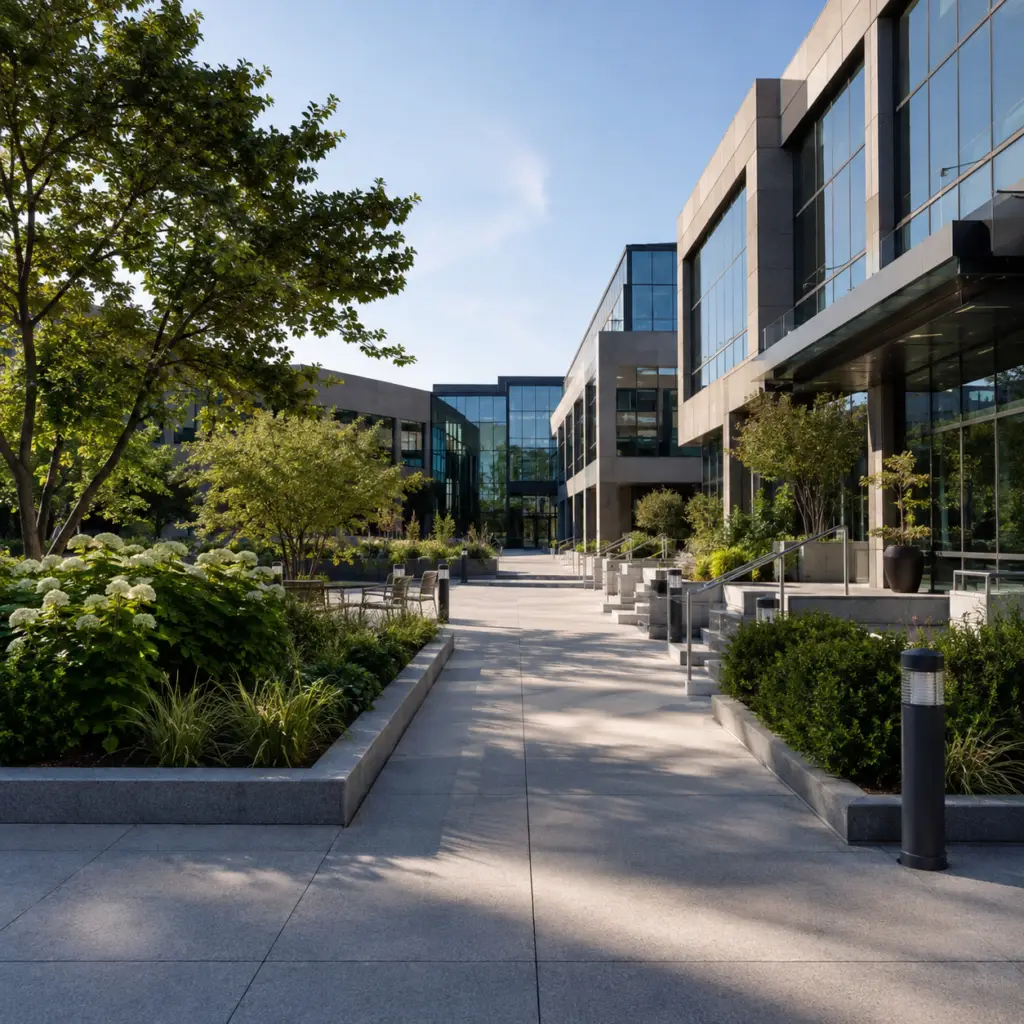
Office park bridge financing may be needed when:
- A buyer is purchasing an office park with vacancy or near-term tenant rollover.
- An owner needs to refinance a maturing commercial mortgage.
- The property requires tenant improvements, leasing commissions, repairs, or capital improvements.
- A sponsor needs time to complete lease-up or stabilize operating performance.
- Ownership is being recapitalized or a partner is being bought out.
- Title, insurance, environmental, property-condition, or documentation issues must be resolved before permanent financing.
- The property is being prepared for a sale or a longer-term commercial refinance.
What Qualifies as a Corporate office park??
An office park may contain:
- General professional office buildings
- Corporate headquarters
- Medical or administrative office space
- Research and development offices
- Back-office or operations facilities
- Government-leased office space
- Technology or business-service tenants
- Single-tenant and multi-tenant buildings
- Owner-occupied and third-party leased buildings
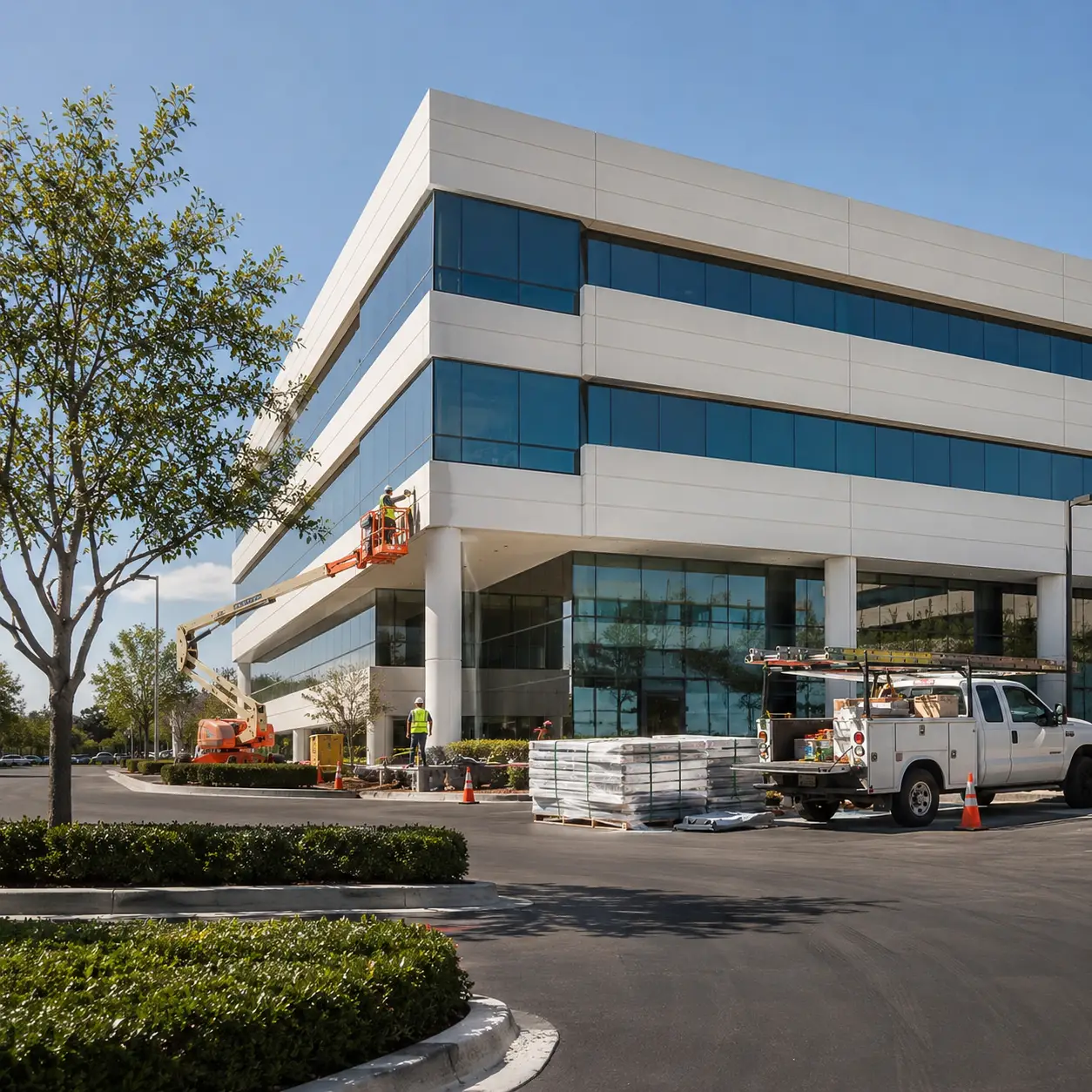
What Office Park Scenarios May Be Considered?
Partially Vacant Office Parks
Partially Vacant Office Parks
Multi-Tenant Office Campuses
Multi-Tenant Office Campuses
Single-Tenant Office Campuses
Single-Tenant Office Campuses
Owner-Occupied Office Parks
Owner-Occupied Office Parks
Value-Add Office Properties
Value-Add Office Properties
Office Parks With Lease Rollover
Office Parks With Lease Rollover
What Financing Purposes May Be Reviewed?
Acquisition
Purchase financing for an office park or multi-building office property
- Purchase of a partially vacant office park
- Acquisition with tenant rollover
- Value-add office acquisition
- Purchase requiring capital improvements
- Acquisition with a defined bridge-to-permanent exit
- Portfolio or multi-building purchase
Refinance
Replacing or restructuring existing office-property debt
- Maturity payoff
- Rate-and-term refinance
- Refinance of bridge or seller financing
- Debt consolidation when eligible
- Refinance after improvements or lease-up
- Extension of time before sale or permanent debt
Recapitalization or Business-Purpose Proceeds
Qualified proceeds supported by collateral and underwriting
- Partner buyout
- Ownership recapitalization
- Tenant improvements
- Leasing commissions
- Property repairs
- Operating or interest reserves
- Eligible business-purpose liquidity
Renovation and Tenant Improvements
Property work supporting leasing, condition, and marketability
- Lobby and common-area renovations
- Suite and tenant improvements
- Roof, HVAC, electrical, plumbing, or elevator work
- Parking and exterior improvements
- Accessibility, signage, security, or energy upgrades
- Review related commercial renovation financing
Bridge or Transitional Uses
Short-term capital for a defined transition and documented exit
- Lease-up and stabilization
- Major tenant rollover
- Property repositioning
- Resolution of title or documentation issues
- Temporary financing before permanent debt
- Bridge to sale or refinance
How Is a Corporate Office Park Evaluated?
There is no single approval formula for every office park bridge loan. Underwriting commonly combines property analysis, lease and tenant review, sponsor evaluation, business-plan review, and transaction-specific due diligence.
Property Location and Market Position
Buildings, Site, and Parking
Occupancy and Tenant Profile
Lease Rollover and Leasing Costs
Zoning and Permitted Use
Environmental and Flood Review
Title, Easements, and Shared Facilities
Property Condition and Capital Plan
Office park underwriting should also examine the relationship among the rent roll, actual leases, operating statements, bank deposits, tenant delinquencies, near-term lease expirations, improvement obligations, and the proposed exit. Environmental due diligence may include review under the EPA All Appropriate Inquiries framework, while flood information may be reviewed through the FEMA Flood Map Service Center.
Which Financial Measurements May Affect Office Park Financing?
Loan-to-Value Ratio
Loan-to-value, or LTV, compares the proposed loan amount with the property value accepted for underwriting.
LTV Formula
Proposed Loan Amount ÷ Accepted Property Value = LTV
The accepted value may be based on an appraisal or another approved valuation method.
Loan-to-Cost Ratio
Loan-to-cost, or LTC, compares the proposed loan amount with eligible acquisition, tenant-improvement, renovation, or project costs.
LTC Formula
Proposed Loan Amount ÷ Total Eligible Project Cost = LTC
LTC may apply to acquisitions, renovations, tenant improvements, or major capital plans.
Debt-Service Coverage Ratio
DSCR compares underwritten net operating income with annual debt service when reliable property cash flow is available.
DSCR Formula
Underwritten Net Operating Income ÷ Annual Debt Service = DSCR
The financing source determines which income and expenses are included.
Debt Yield
Debt yield compares underwritten net operating income with the proposed loan amount.
Debt Yeild Formula
Underwritten Net Operating Income ÷ Proposed Loan Amount = Debt Yield
Debt yield does not depend directly on the interest rate or amortization schedule.
As-Is, As-Complete, and Stabilized Value
As-is value reflects current condition. As-complete value assumes specified improvements are finished. Stabilized value assumes supportable occupancy, income, and operating performance.
Valuation Note
Not every office transaction relies on all three values. The appraisal scope depends on the property and financing request.
Cost Basis and Reserves
Cost basis may include purchase price and verified improvements. Reserves may support interest, operating expenses, tenant improvements, leasing commissions, repairs, taxes, insurance, or lease-up shortfalls.
Transaction-Specific Review
Recognized costs and required reserves vary by property, sponsor, loan purpose, and financing source.
No maximum LTV, LTC, DSCR, debt-yield threshold, loan amount, rate, or term is represented on this page because those terms require current, transaction-specific verification. Review related information about commercial real estate underwriting factors.
What Documents Should Be Prepared?
A well-organized submission helps a financing source understand the property, leases, tenants, borrower, requested loan purpose, capital plan, and proposed exit. Review DPCG’s commercial loan required-documents guide for additional preparation guidance.
Initial Loan Scenario
Core facts needed for preliminary review
- Requested loan amount and purpose
- Property address and number of buildings
- Total rentable area and current occupancy
- Purchase price or estimated value
- Existing debt and requested closing date
- Business-plan summary
- Sponsor experience
- Proposed repayment or exit
Property and Lease Documents
Evidence supporting the collateral and income
- Current and historical rent rolls
- Material leases, amendments, and lease abstracts
- Operating statements and general ledger
- Tax bills and insurance
- Survey, site plan, title, zoning, and certificates of occupancy
- Property-condition, engineering, environmental, and flood reports
- Existing appraisal or valuation support
Lease-Up and Capital Plan Documents
Support for the proposed transition
- Vacant-suite schedule
- Lease expiration schedule
- Letters of intent or executed future leases
- Tenant-improvement obligations
- Leasing commission schedule
- Detailed scope and line-item budget
- Contractor bids and project schedule
- Contingency and reserve plan
Borrower and Sponsor Documents
Identity, experience, and financial capacity
- Loan application and personal financial statement
- Real-estate schedule and liquidity support through a secure process
- Resume or relevant project history
- Credit authorization when required
- Explanation of material litigation, bankruptcy, foreclosure, or default history
- Contingent-liability schedule
Business and Entity Documents
Ownership, authority, and entity structure
- Articles of organization or incorporation
- Operating agreement, bylaws, or partnership agreement
- EIN confirmation
- Certificate of good standing
- Ownership schedule and organizational chart
- Borrowing resolutions and signing authority
Financial and Debt Documents
Cash flow, debt, and repayment evidence
- Trailing operating statements
- Year-to-date financial statements
- Current rent roll and receivables
- Bank statements through a secure process
- Existing loan documents and payoff statement
- Debt schedule and payment history
- Projected cash flow and stabilized operating statement
- Exit documentation
How Does the Corporate Office Park Bridge-Loan Process Work?
Initial Scenario Review
Property, request, occupancy, purpose, business plan, timing, and exit.
Document Collection
Leases, rent roll, operating statements, entity records, debt, and capital-plan support.
Preliminary Transaction Assessment
Property, sponsor, equity, cash flow, requested structure, and state eligibility.
Potential Financing-Source Review
Eligible scenarios may be presented to possible commercial real estate financing sources.
Term Discussion
Review proposed amount, pricing structure, term, fees, recourse, reserves, and conditions.
Formal Underwriting and Third-Party Reports
Detailed review of leases, financials, valuation, title, insurance, environment, and condition.
Conditions and Closing Preparation
Resolve final documentation, equity, payoff, title, insurance, reports, and legal conditions.
Closing and Post-Closing Obligations
Complete funding requirements and follow reporting, reserve, leasing, and payment obligations.
What Can Delay an Office Park Bridge Loan?
- Incomplete rent roll or missing leases: Lease amendments, concessions, termination rights, or side agreements are unavailable.
- Financial records that do not reconcile: Rent roll, leases, deposits, and operating statements conflict.
- Unclear tenant rollover: Major lease expirations are not supported by a renewal, replacement, reserve, or leasing plan.
- Unsupported capital budget: The scope lacks line items, bids, contingency, or timing.
- Deferred maintenance: Roof, HVAC, parking, elevator, electrical, drainage, accessibility, or life-safety issues require added review.
- Environmental or flood concerns: Prior uses or site conditions require further investigation.
- Title, easement, or shared-facility issues: Liens, access rights, reciprocal easement agreements, or ownership questions remain unresolved.
- Weak exit strategy: The refinance or sale plan is not adequately supported.
How Can a Borrower Prepare a Stronger Submission?
- Provide a complete transaction summary.
Include the property, request, current occupancy, loan purpose, business plan, timing, and exit. - Reconcile leases and financial records.
Confirm that the rent roll, leases, deposits, operating statements, and delinquency reports are consistent. - Identify lease expirations.
Explain renewals, replacement tenants, downtime, tenant improvements, commissions, and reserves. - Document the capital plan.
Provide a scope, budget, bids, schedule, and contingency. - Explain sponsor capability.
Show relevant experience, team structure, leasing support, property management, and liquidity. - Support the use of proceeds.
- Disclose title, environmental, insurance, zoning, credit, and property-condition issues early.
- Provide a primary and backup exit.
- Centralize communication and document versions.
- Protect sensitive information through an approved secure-upload process.
How Does Direct Private Capital Group, Inc. Assist?
Direct Private Capital Group, Inc. serves as a commercial mortgage broker and private real estate financing resource.
For a qualified corporate office park scenario, DPCG may assist by:
- Reviewing the initial request
- Organizing property, lease, financial, and sponsor information
- Identifying missing documentation
- Clarifying the requested structure, use of proceeds, and exit
- Presenting eligible scenarios to possible financing sources
- Communicating questions and conditions
- Helping the borrower understand document requests and next steps

Discuss Your Corporate Office Park Financing Request
Tell us where the property is located, the number of buildings, rentable area, current occupancy, amount requested, estimated value, existing debt, business plan, sponsor experience, and proposed repayment or exit. Submitting information does not obligate you to proceed and does not create a commitment to lend.
Corporate Office Park Bridge Loan FAQs
Yes. A partially vacant office park may be considered when the acquisition basis, existing leases, available equity, improvement budget, sponsor capacity, lease-up plan, and exit strategy support the request. Eligibility depends on the complete transaction and the financing source’s current guidelines.
A bridge loan may be used to refinance maturing commercial real estate debt when the property and borrower qualify and there is a credible plan to repay the bridge loan. The payoff, maturity status, property performance, requested proceeds, and proposed exit will be reviewed.
Tenant improvements and leasing commissions may be included when they are properly documented and accepted by the financing source. The request should include executed leases or leasing evidence, detailed budgets, payment timing, and appropriate contingency.
Not necessarily. Bridge financing is often associated with transitional properties, including properties with vacancy. The financing source will evaluate current occupancy, tenant rollover, lease-up costs, expected timing, sponsor liquidity, market demand, and the proposed exit.
An owner-occupied office park may be considered for business-purpose financing. The review may include the occupying business’s financial strength, property value, ownership structure, use of proceeds, debt-service capacity, and exit strategy.
The financing source will likely review the amount of income at risk, renewal probability, replacement-tenant plan, expected downtime, improvement costs, leasing commissions, reserves, and the effect on the proposed exit.
An appraisal or other acceptable valuation may be required depending on the financing source, transaction, applicable rules, and loan structure. Existing appraisals or broker opinions may help with preliminary review but may not satisfy final underwriting.
An environmental assessment may be required. The scope depends on the property, prior uses, neighboring uses, transaction, and financing-source requirements. Known environmental concerns should be disclosed at the beginning of the process.
Renovation funds may be considered when the work is supported by a detailed scope, budget, contractor information, schedule, contingency, property-access plan, and a clear relationship to the business plan and exit.
Common proposed repayment sources include a property sale, permanent refinance, refinance after lease-up, refinance after capital improvements, sponsor equity, or another documented business-purpose liquidity event. The exit is reviewed but not guaranteed.
Compliance Disclaimer
Direct Private Capital Group, Inc. is a commercial mortgage broker and private real estate financing resource.
The information on this page is provided for general educational and informational purposes only. It is not a commitment to lend, loan approval, rate lock, guarantee of terms, guarantee of funding, or guarantee of closing.
Any financing is subject to underwriting; borrower, sponsor, and guarantor qualification; acceptable credit, equity, liquidity, and reserves; collateral review and valuation; confirmation of business purpose; title, survey, access, environmental, flood, insurance, zoning, property-condition, and documentation review; state eligibility; financing-source guidelines; market conditions; and applicable law.
Business-purpose commercial real estate financing only. This page does not provide legal, tax, accounting, investment, appraisal, engineering, environmental, insurance, or financial advice.
Review the Privacy Policy before submitting personal information. For structured-data guidance, review the Google Structured Data Guidelines.