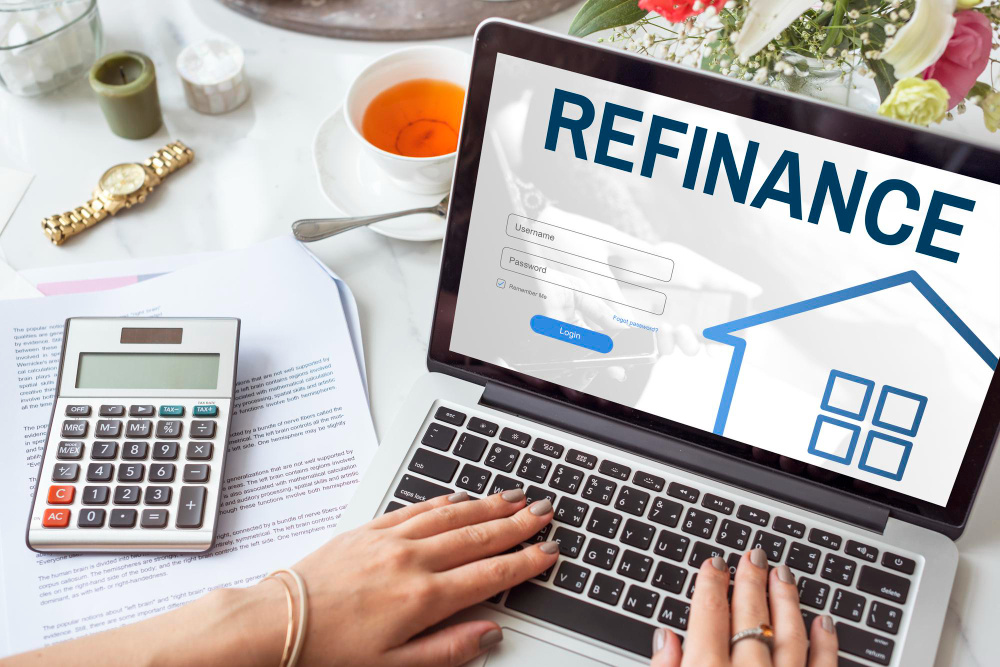
Cash-out refinancing is when you take out a new mortgage to pay off an existing loan. This can be done for reasons such as paying off another mortgage or making home improvements. You might also use cash-out refinancing to consolidate your student loans, credit cards, or other debt.
All loan programs are intended for business or investment purposes only unless otherwise specified.
Cash-out refinancing can lower your monthly payments by reducing the interest rate on your new loan. But it can also raise your monthly payment by increasing the principal you owe each month, which may negate any savings from lowering your interest rate.
You’ll need to know how much equity you have in your home to determine if you’re eligible for a cash-out to refinance loan and what kind of interest rate you’ll qualify for. The lender will also determine how much they’ll lend based on factors like the value of your home and what type of property it is (such as an apartment building).
Loan Terms
Loan Terms
3–36 months (interest-only options available)
LTV
Up to 70–85% ARV
Term Lengths
Typically 1–4 points
Close Cost
Standard third-party fees apply
Interest Rates
Typically range from 8.99% – 16.99% depending on the loan scenario
All terms vary based on borrower qualifications, property type, and market conditions
Rates, terms, and fees vary based on borrower qualifications, property type, and market conditions. Loan terms may include interest-only payments, origination fees, closing costs, and third-party fees. Business-purpose loans only.